Weather-related scaffolding accidents in Brooklyn are not acts of God. They are failures of supervision.
Construction workers usually have little or no control over continuing or stopping work when conditions turn dangerous. Wind forecasts, freezing temperatures, and winter storms rarely arrive without warning, yet scaffolding work sometimes continues even when those risks are obvious.
When a scaffold collapses during a storm or a worker slips on ice that was never cleared from a platform, investigators look closely at the decisions made on the job site. Questions arise about who was responsible for monitoring the weather, securing the scaffold, and stopping work when conditions became unsafe, which is why consulting NYC scaffold accident lawyers can be important.
New York law places that responsibility on site supervisors, general contractors, and building owners. When those in charge ignore their legal obligations and someone gets injured, the law provides a path to pursue compensation.
Contact The Perecman Firm today if you were injured in a scaffolding accident in Brooklyn during dangerous weather conditions. Our team of dedicated work injury lawyers in NYC offers free consultations so you can start your claim without obligation or risk.
Key Takeaways About Weather and Scaffolding Liability in Brooklyn
- Site supervisors have a legal duty to stop work when weather conditions become hazardous.
- Under New York Labor Law 240, building owners and contractors are strictly liable for scaffold injuries regardless of weather conditions.
- OSHA requires work to stop on scaffolds covered in snow, ice, or other slippery materials, except to remove those hazards.
- Brooklyn's proximity to the Atlantic Ocean creates unpredictable weather patterns that demand extra vigilance from site managers.
- Weather data, inspection logs, and witness statements can prove a contractor prioritized the project timeline over worker safety.
Who Is Liable for Scaffolding Safety Equipment in Brooklyn?
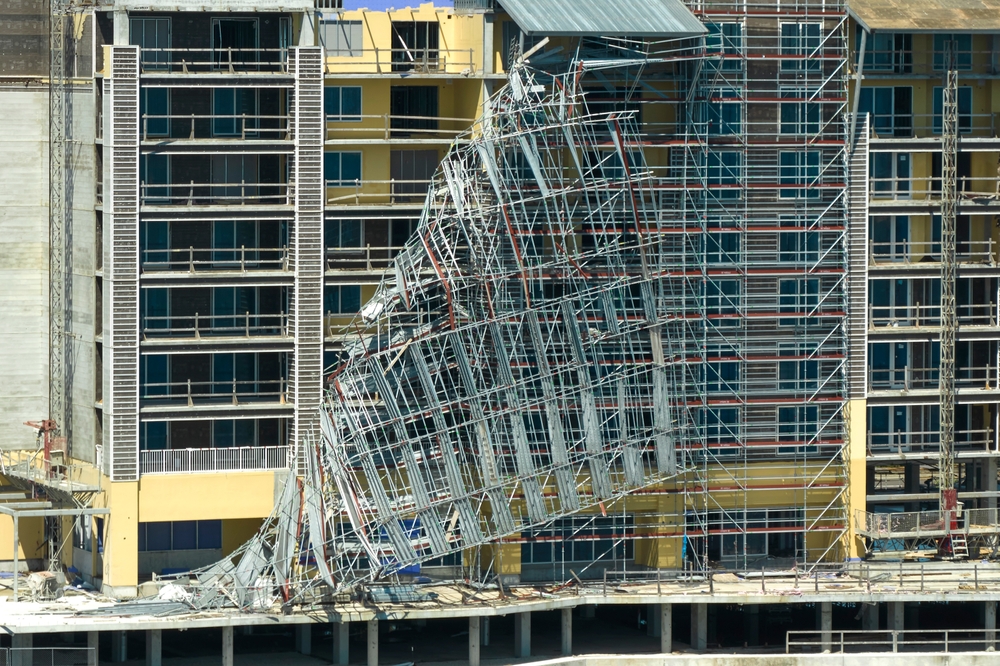
Building owners and general contractors are liable under New York's Scaffold Law, even when weather contributes to an accident.
New York Labor Law 240 imposes strict liability for gravity-related injuries. This means an injured worker does not need to prove the contractor was careless or negligent. If the scaffold was unsafe and that condition contributed to the injury, the owner and contractor are responsible.
In many scaffold accidents, injured workers may also bring claims under New York Labor Law §241(6). This law requires contractors and owners to comply with detailed safety regulations contained in the New York Industrial Code.
When a contractor violates one of those safety rules, such as failing to remove ice from a scaffold platform or failing to properly secure scaffolding against wind loads, that violation can establish liability for the resulting injuries in a fall from scaffolding.
The weather does not change this analysis. In fact, hazardous weather conditions often strengthen a worker's case by showing the contractor ignored obvious warning signs.
What Are the Construction Work Stoppage Rules in NY During Dangerous Weather Conditions?
Federal and state regulations require contractors to halt scaffold work when conditions become hazardous. Contrary to what many workers believe, these are not safety suggestions. They are legal requirements.
OSHA Wind Requirements
The Occupational Safety and Health Administration (OSHA) prohibits scaffold work during storms or high winds unless a competent person determines it is safe and workers use personal fall arrest systems.
OSHA defines high wind as speeds exceeding 40 mph, or 30 mph when workers are handling materials. The Scaffold and Access Industry Association recommends stopping work at 25 mph for suspended scaffolds.
NYC Department of Buildings Requirements
The NYC Department of Buildings (DOB) requires contractors to suspend crane and hoist operations when wind speeds reach 30 mph or greater. For scaffolds, the DOB mandates:
- No work on scaffolds covered in snow, ice, or slippery material, except to remove the hazard
- Securing all netting, scaffolding, and sidewalk sheds during weather events
- Immediate enforcement action for non-compliant sites
The Affirmative Duty to Monitor
Contractors cannot wait for the weather to become dangerous. They must actively monitor conditions and make advance decisions about whether work should proceed. This includes checking forecasts, watching conditions throughout the day, and having clear protocols for when to stop.
How Do Courts Determine Icy Scaffold Fall Liability in Construction Accidents?
Courts examine whether the contractor knew or should have known about the hazardous condition and whether they took appropriate action.
What Evidence Proves Liability?
Lawyers investigating weather-related scaffold accidents typically gather:
- Weather records from the National Weather Service showing conditions at the time of the accident
- Temperature logs proving conditions were below freezing
- Site inspection records showing whether ice removal was performed
- Witness statements about conditions on the scaffold
- Photos or video of the accident scene
- Safety meeting logs showing if the weather was discussed
The Suitability Requirement
New York law requires that safety equipment be suitable for the specific conditions. A harness does nothing to prevent a slip on an icy platform. Guardrails do not stop a scaffold from swaying in high winds.
When conditions change, the safety analysis must change with them. A contractor who provides fall arrest equipment but ignores ice accumulation has still violated the law.
What Are the Key Wind Safety Rules for NYC Construction Sites?
Wind creates multiple hazards on scaffold projects. Understanding these rules helps injured workers recognize when their rights have been violated.
Scaffold Stability in High Winds
Wind exerts pressure on scaffolds that can cause swaying, tipping, or complete collapse. The taller the scaffold and the more surface area exposed to wind, the greater the risk.
Scaffolds along Brooklyn's waterfront are especially vulnerable, especially when adorning scaffolding near open water. The East River and New York Harbor create wind tunnels that amplify gusts beyond what inland forecasts predict.
Material Handling Dangers
At 30 mph, workers lose control of sheets of plywood, metal panels, and other materials. These can become projectiles that injure workers or destabilize the scaffold structure.
The Competent Person Standard
OSHA requires a "competent person" to evaluate conditions before allowing scaffold work to continue during questionable weather. This person must be capable of identifying hazards and have the authority to stop work.
When contractors assign this responsibility to someone without training or without actual authority to halt work, they expose themselves to liability.
What Legal Options Exist After a Spinal Injury From a Scaffold Collapse?
Scaffold falls frequently cause catastrophic injuries to the spine. The legal options available depend on several factors, but New York's labor laws provide strong protections.
Workers' Compensation
Workers' compensation covers medical bills and partial lost wages regardless of fault. You do not need to prove your employer did anything wrong to receive these benefits.
However, workers' comp does not cover pain and suffering or full lost wages. For spinal injuries that cause permanent disability and other serious fall-related injuries, these limitations can mean the difference between financial security and financial ruin.
Labor Law 240 Claims
A separate lawsuit under Labor Law 240 allows recovery of damages that workers' comp does not cover:
- Full lost wages, past and future
- Compensation for pain and suffering
- Costs of ongoing medical care and rehabilitation
- Loss of enjoyment of life
These claims proceed against the building owner and general contractor, not your direct employer. Strict liability means you do not need to prove they were negligent. If the scaffold was inadequate, they are liable.
Third-Party Negligence Claims
Additional parties may share responsibility for a weather-related scaffold accident:
- Scaffold manufacturers, if the equipment was defective
- Engineering firms, if the scaffold design was inadequate
- Weather monitoring companies, if data was incorrect
- Subcontractors who failed to secure equipment
How Does Brooklyn's Location Affect Scaffolding Weather Hazards?
Brooklyn sits between the Atlantic Ocean, New York Harbor, and the East River. This geography creates weather conditions that differ significantly from forecasts based on regional data.
Atlantic Weather Patterns
Coastal storms, nor'easters, and tropical systems affect Brooklyn more severely than inland areas. Wind speeds along the waterfront in Red Hook, DUMBO, and Williamsburg can exceed forecasts by 10-15 mph.
Contractors working on Brooklyn's expanding waterfront developments must account for these conditions when planning scaffold operations.
The Urban Heat Island and Ice Formation
Brooklyn's dense urban environment creates temperature variations across short distances. A scaffold in full sun may be clear while one in shadow is covered in ice.
Morning temperatures that hover near freezing often drop after sunset, turning wet surfaces into ice hazards. Contractors who allow work late in the day during marginal conditions create unnecessary risks.
Wind Tunnels Between Buildings
Brooklyn's mixed-use neighborhoods combine low-rise brownstones with new high-rise construction, making scaffold safety a critical concern. This variation creates unpredictable wind patterns as air flows around and between buildings.
A scaffold that feels stable in the morning may become dangerous as wind patterns shift during the day. Continuous monitoring is essential.
How Do Investigators Determine the Cause of a Weather-Related Scaffold Collapse?
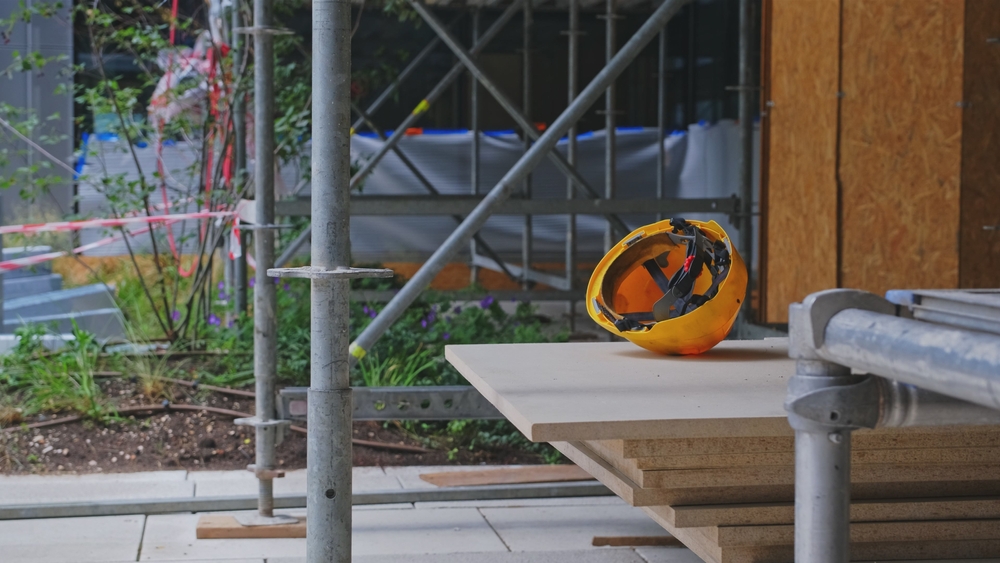
Proving fault in a weather-related accident requires careful documentation and analysis. Lawyers and investigators work together to build a case that shows the contractor's decisions, not the weather, caused the injury.
Weather Data Analysis
The National Weather Service maintains detailed records of conditions throughout each day. Investigators compare these records to the contractor's work logs to determine whether conditions exceeded safe thresholds at the time of the accident.
For Brooklyn accidents, lawyers may also obtain data from local weather stations at nearby airports and along the waterfront.
Site Documentation Review
Construction sites generate extensive paperwork. Investigators look for:
- Daily safety meeting logs
- Equipment inspection records
- Supervisor communications about the weather
- Prior complaints about working conditions
- Training records for weather-related protocols
Gaps in documentation often indicate that a contractor was not following proper procedures.
Engineering Analysis
For scaffold collapses, engineers examine the wreckage to determine whether wind loads exceeded the structure's design capacity. They also evaluate whether the scaffold was properly braced and secured for the conditions.
This analysis can reveal whether the contractor failed to add additional tie-backs or bracing when weather conditions deteriorated.
What Are Common Weather Safety Violations on Brooklyn Construction Sites?
Understanding these violations helps injured workers recognize when their rights have been violated.
Continuing Work During High Winds
Contractors face pressure to maintain schedules. Some push workers to continue despite unsafe conditions, hoping the weather will improve. This gamble puts workers at risk.
Failing to Clear Ice Before Work Begins
Early morning work often begins before the sun has melted the overnight ice. Contractors who do not allocate time for ice removal expose workers to unnecessary slip hazards.
Ignoring Weather Forecasts
Modern forecasting provides reliable advance warning of dangerous conditions. Contractors who claim they were surprised by the weather often simply failed to check available information.
Inadequate Site Monitoring
The weather can change quickly, especially near the water. A site that was safe at 7 a.m. may be dangerous by 10 a.m. Contractors must have systems to detect and respond to changing conditions.
Assigning Unqualified Competent Persons
Some contractors assign the competent person role to workers who lack training or authority to stop work. This creates a paper trail without actual safety protection.
When conditions deteriorate, these workers may hesitate to halt operations, fearing consequences for causing delays.
FAQs About Weather-Related Scaffolding Accidents in Brooklyn
Can my employer blame the weather for my scaffold accident?
Weather does not excuse an employer's failure to provide safe working conditions. If conditions were too dangerous for scaffold work, the law required them to stop work. Evidence that your employer continued operations during hazardous weather strengthens your case.
Does OSHA require construction sites to have weather monitoring equipment?
OSHA does not mandate specific equipment, but contractors must have a method to monitor conditions. Many sites use handheld anemometers to measure wind speed. The law requires awareness of conditions, however that awareness is achieved.
What if I was told to keep working despite dangerous weather?
You are not required to refuse dangerous work to preserve your legal rights. New York courts recognize that construction workers often lack the power to challenge their supervisors. Following orders does not eliminate your employer's liability.
How soon after a weather-related accident should I contact a lawyer?
As soon as possible. Weather data, inspection logs, and witness memories fade quickly. An early investigation can preserve evidence that proves the contractor knew conditions were dangerous and chose to continue work anyway.
Can the building owner be liable if they were not on site during the accident?
Yes. Under Labor Law 240, building owners are strictly liable for gravity-related accidents regardless of their presence or involvement. They cannot delegate this responsibility away by hiring contractors.
The Weather Did Not Cause Your Accident. A Decision Did.
Somewhere along the way, someone decided that the project schedule mattered more than your safety. Someone looked at the forecast, felt the wind, saw the ice, and told you to keep working anyway, or they ignored the risks completely. That decision is why you are injured.
New York law holds building owners and contractors responsible for exactly this kind of failure. The award-winning attorneys at The Perecman Firm have spent decades holding contractors accountable when they prioritize profits over people. Our record of success fighting for injured NYC construction workers and their families is something we take pride in.Contact us online for a free case review and find out how we may be able to help you, too.